

Yes, floating shelves can hold books, but only when the shelf design, bracket system, wall structure, and installation method are matched to the real weight of the books. Books are deceptively heavy, especially hardcovers and large-format titles. A floating shelf that looks solid can fail if it is anchored into drywall without proper hardware, if the bracket is undersized, or if the load is placed too far from the wall, creating extra leverage.
This article explains what determines book-holding strength, how to estimate book weight, what shelf specs matter most, and how to install floating shelves for long-term stability. For a bookshelf solution reference from LEVIA, you can view our product here: LEVIA book shelves.
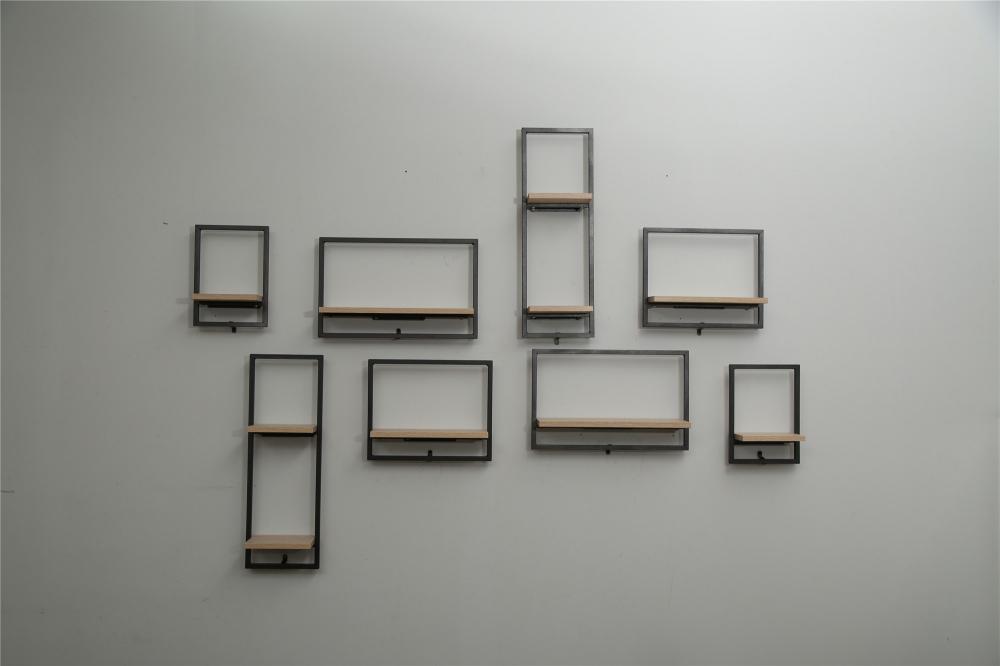
What Determines Whether Floating Shelves Can Support Books
A floating shelf holds weight through a combination of structural parts and installation conditions. When any one of these is weak, the entire system becomes unreliable.
Key factors that decide book capacity:
- Bracket type and steel thickness
Hidden brackets vary widely. A true heavy-duty floating bracket usually has thicker steel, stronger welds, and longer wall engagement. Small decorative brackets can look similar but carry much less real load. - Wall anchoring method
Anchoring into wood studs provides the most reliable support. When studs are not available, the quality and type of wall anchor becomes critical, and capacity typically drops. - Shelf depth and load leverage
Books placed near the front edge create a larger bending force than items close to the wall. Deeper shelves can hold more books in volume, but they also increase leverage if loaded at the front. - Shelf material and internal reinforcement
Solid wood, engineered wood with reinforcement, and metal-core shelves behave differently under load. A shelf that flexes will loosen over time, even if it does not break immediately. - Number of bracket supports and spacing
Long shelves need multiple support points. A single hidden bracket on each end may not be sufficient for dense books across the full span.
A practical rule is that book storage is a high-load use case. Treat it differently from light decor.
How Heavy Are Books And How Much Load Should You Plan For
Many shelf failures happen because people estimate book weight by visual volume rather than actual mass. A small row of hardcovers can easily outweigh decorative objects.
Use the table below as a planning reference. Actual weights vary by paper type, binding, and size, but these ranges are useful for realistic sizing.
| Book Type | Typical Weight Per Book | Notes For Shelf Planning |
|---|---|---|
| Paperback novel | 0.3 to 0.7 kg | Dense rows add up quickly on long spans |
| Standard hardcover | 0.8 to 1.5 kg | Common for home libraries and offices |
| Large art or textbook | 1.8 to 3.5 kg | Concentrated weight, increases bending risk |
| Children picture book | 0.4 to 1.0 kg | Often stored in stacks, adds point load |
| Magazine binder or archive file | 2.0 to 4.0 kg | Heavy and often placed at the front edge |
Planning method that reduces risk:
- Estimate total books per shelf by type.
- Multiply by a conservative average weight.
- Add a margin for future additions, because book shelves tend to grow over time.
If you expect frequent changes, such as staging books for retail displays or library rotation, plan for higher safety margin than a static home shelf.
Floating Shelf Design Details That Matter For Book Storage
If books are the primary load, you should evaluate the shelf as a structural product rather than a decorative accent.
-
Shelf Depth And Height
For most books, a deeper shelf provides better base contact and reduces tipping. Depth also determines whether books can sit fully supported rather than partially overhanging the edge. If you plan to store large-format books, choose depth and clear height that prevents forced leaning. -
Shelf Thickness And Stiffness
A thick shelf is not automatically strong if it is hollow with weak internal support. Look for designs that resist flex under continuous load. Flex is important because long-term sagging gradually loosens bracket connections. -
Bracket Engagement Length
A floating shelf bracket typically needs enough length inside the shelf and enough anchoring into the wall to distribute load. Short engagement concentrates stress at a small area, which is a common cause of wobble. -
Span Length And Support Points
As span increases, sag risk increases. If you want a long floating line for a book wall, increase the number of support points rather than relying on end supports only. -
Load Distribution Strategy
Books should be placed evenly across the shelf, not stacked at one end. Heavy items should sit closer to the wall where leverage is lower.
If you prefer a more traditional solution for dense book storage or higher capacity planning, a dedicated bookshelf design can be more forgiving than a long floating span. You can reference LEVIA’s book shelves for a bookshelf-style approach.
Installation Requirements That Make Or Break Capacity
Even a strong shelf can fail when installed incorrectly. For books, installation is the deciding step.
-
Find Structural Support
Whenever possible, mount into wood studs. Use a stud finder and confirm stud position with a small pilot hole. Anchoring into studs usually provides the most reliable resistance against pull-out and rotation. -
Use The Correct Fasteners For The Wall Type
Wall type changes everything:
- Wood stud wall: structural screws or lag screws into studs
- Concrete or brick: masonry anchors matched to the screw diameter and embed depth
- Metal studs: reinforced backing or rated toggles, especially for high-load shelves
- Drywall only: not recommended for book loads unless engineered anchors and load limits are strictly respected
-
Keep The Bracket Level And Fully Seated
If the bracket is slightly out of level, the shelf can rock and gradually loosen. A long level helps. Tighten fasteners fully, then recheck level. -
Avoid Overloading The Front Edge
With floating shelves, the front edge is the highest leverage point. Place heavier books closer to the wall and avoid letting book spines hang over the front edge. -
Recheck After Initial Use
After a few days of real load, recheck for wobble and fastener tightness. Early detection prevents long-term loosening.
If your application involves high-frequency use, such as commercial reading areas, office libraries, or staged displays, treat installation as a project standard and document the wall type, anchor type, and spacing for consistent results across sites.
Practical Guidelines For Safe Book Storage On Floating Shelves
If you want a simple decision framework, use these guidelines:
- Use floating shelves for books only when you can anchor into strong structure or use approved high-load solutions for your wall type.
- Keep shelf spans shorter or add more support points as the shelf gets longer.
- Load books evenly and keep the heaviest items closer to the wall.
- Avoid stacking heavy books on one side only, which creates twisting forces.
- If your book collection is dense or growing, consider a dedicated bookshelf design for higher capacity and lower installation sensitivity.
For projects that need stable, repeatable storage solutions, many buyers choose bookshelf products designed specifically for books, because they simplify load planning and reduce wall dependency. LEVIA provides options you can review at LEVIA book shelves.
Conclusion
Floating shelves can hold books when the bracket system is strong, the wall anchoring is correct, and the load is planned realistically. Books create continuous, dense weight, so success depends on structural support, proper fasteners, and smart load placement. If you want a cleaner wall look with floating shelves, plan capacity carefully and prioritize stud mounting or engineered high-load installation methods. If you need higher capacity with simpler deployment, a bookshelf-style product is often the more reliable choice.
If you are unsure which shelf configuration fits your wall type, book weight range, or project layout, contact LEVIA for guidance. Share your shelf length, wall material, and the types of books you plan to store, and we can recommend a suitable solution based on our book shelves and help you plan for stable long-term use.