

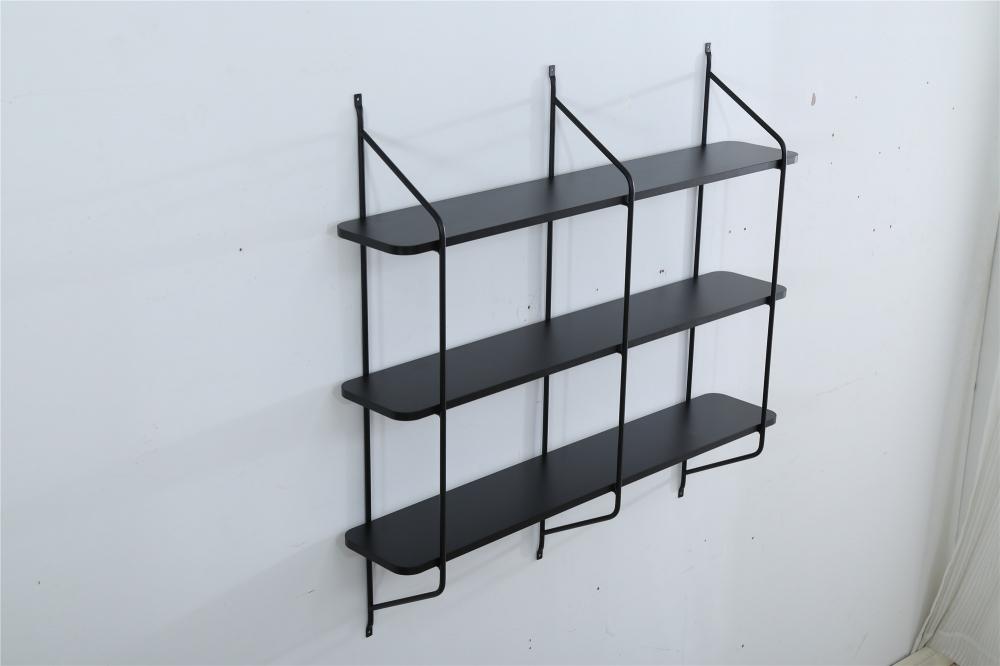
Custom wall mounted shelves let you control storage capacity, fit, load performance, and visual consistency across a room or a full project. The right customization process starts with measurements and usage requirements, then moves into material and finish choices, bracket structure, mounting method, and packaging standards for shipping and installation. If you are sourcing for retail, hospitality, office, or residential projects, using a clear spec sheet avoids rework and keeps lead time predictable.
You can explore Levia options and request customization based on the shelf styles here: wall mounted shelves.
Define the use case before choosing a design
Start by confirming what the shelf must do in daily use. A display shelf for lightweight décor has different requirements than a storage shelf for books, cookware, or bulk items. Clarify the load target, the number of shelves, the spacing between shelves, and whether the shelf will be installed above furniture where head clearance matters. If the shelf will be used in humid areas such as kitchens or laundry rooms, specify moisture-resistant finishes and corrosion-focused hardware from the beginning.
Key information to lock in early:
- Installation environment: living room, kitchen, office, retail wall, corridor
- Load intent: light display, daily storage, heavy-duty storage
- Layout: single shelf, multi-tier set, mixed widths
- User experience: easy cleaning, rounded edges, cable management, silent placement
Measure correctly so the shelf fits the wall and the room
Customization depends on accurate measurements. Measure the wall width, the usable height, and the available depth without blocking doors, switches, or vents. For furniture pairing, measure the cabinet or desk width below the shelf so the shelf looks aligned and balanced. Confirm the wall type because brick, concrete, wood studs, and drywall require different anchors and hole patterns.
Recommended measurement checklist:
- Overall shelf width and tolerance range
- Shelf depth, including clearance for items and head space
- Shelf thickness and edge style preference
- Distance between mounting points
- Wall material and any hidden obstacles
Choose the shelf construction and material options
Wall mounted shelves are commonly customized through material combinations and structural details. Carbon steel frames and brackets are often selected for strength and stability, while shelf boards can be configured for different aesthetics and cost targets. When customizing, focus on structural rigidity, surface durability, and finish consistency across production batches.
Typical customization directions:
- Frame and bracket thickness selection based on target load
- Shelf board type and thickness selection for stiffness and visual weight
- Surface finish selection for scratch resistance and easy cleaning
- Edge handling selection for safety and appearance
If you are building a consistent product line, keep one bracket system and vary shelf board sizes and colors. This reduces SKU complexity while still offering variety to buyers.
Select bracket style and mounting method for stability
Bracket design influences both performance and the look of the shelf. For higher loads, larger contact area and reinforced structures reduce deflection and wall stress. For minimalist designs, hidden brackets may look clean but require more precise installation and stronger walls. For multi-tier shelves, alignment and repeatable hole positions reduce installation time and service calls.
Common bracket customization choices:
- Visible brackets for fast installation and predictable load behavior
- Hidden brackets for clean appearance where wall structure supports it
- Side-frame rack styles for multi-layer storage
- Back-plate styles to spread load across a wider wall area
Decide sizes, tiers, and spacing based on practical storage
Shelf size customization should be driven by what the shelf will store, not only by room aesthetics. For books, depth and spacing must prevent overhang and allow easy removal. For kitchen items, depth and spacing must fit containers without hitting the wall. For décor, spacing may be tighter for visual composition. For multi-tier sets, consistent spacing makes the installation easier and keeps the final look professional.
You can customize:
- Width range for single shelf and set combinations
- Depth options for shallow display or deeper storage
- Tier count for vertical storage efficiency
- Inter-shelf spacing and overall height
Choose finish and color options for durability and style matching
Finish selection affects corrosion resistance, scratch resistance, and long-term appearance. Powder coating is common for metal frames and brackets because it provides uniform coverage and stable color control. If the shelves will be used in high-touch areas, consider finishes that reduce visible fingerprints and small scratches. For project orders, color matching across batches is often as important as the design itself, so define a clear color standard and acceptable variation range.
Finish and appearance customization can include:
- Matte, satin, or gloss surface options
- Color selection for frame, bracket, and shelf board
- Texture selection for better wear masking
- Logo marking methods for retail and brand programs
Confirm load rating targets and test expectations
Buyers often ask how much weight a wall shelf can hold. The load capacity depends on bracket structure, wall anchors, installation method, and wall condition. In customization, define a target load per shelf and match it with structure selection and mounting hardware. If you need compliance-oriented documentation, define the internal test method and the acceptance criteria. This reduces disputes and helps align product performance with customer expectations.
For clear communication, define:
- Target static load and recommended dynamic load
- Maximum recommended distributed load vs point load
- Wall type requirement for stated load rating
- Installation requirements that must be followed to achieve performance
Packaging and installation kit options for different sales channels
Customization is not only the product itself. Packaging and installation kits affect customer satisfaction, return rates, and installation speed. For e-commerce, packaging must protect corners and finishes during parcel shipping. For project supply, packaging may be optimized for bulk cartons and on-site installation. Hardware kits should match the wall type or provide a universal kit with clear instructions.
Common packaging customization choices:
- Protective corner guards and surface films
- Hardware kit configuration and labeling
- Instruction manual format and language
- Inner box and master carton strength level
- Barcode labels and outer carton markings for warehousing
What to send for a quotation and sample confirmation
To move from concept to production smoothly, prepare a simple specification package that includes drawings, dimensions, and finish references. The more precise the spec, the faster sampling and the fewer revision rounds. If you have an existing shelf you want to match, provide photos from multiple angles plus key measurements.
Minimum information for quotation:
- Shelf type and target quantity
- Width, depth, thickness, and tier configuration
- Bracket style and mounting method
- Material preference for frame and shelf board
- Color and finish requirements
- Packaging standard and accessory kit requirements
You can start with Levia’s existing wall mounted shelves as the base, then adjust dimensions, structure, finishes, and packaging to match your market and project needs.
Custom Specification Table Template
| Custom Item | Options to Define | What It Affects |
|---|---|---|
| Shelf dimensions | width, depth, thickness, tier count | fit, capacity, stability |
| Bracket structure | visible, hidden, back-plate, side-frame | load behavior, appearance, installation time |
| Material selection | metal thickness, board type, surface type | durability, rigidity, cost |
| Finish and color | coating type, gloss level, color standard | corrosion resistance, scratch visibility, consistency |
| Mounting hardware | anchor type, screw spec, hole pattern | safety, wall compatibility, service calls |
| Packaging | inner protection, carton spec, labeling | shipping damage rate, warehouse efficiency |
| Documentation | installation guide, warnings, language | user success, returns, compliance |
Conclusion
Custom wall mounted shelves are most successful when the design choices are tied to real storage needs and installation conditions. Start by defining the use case and load target, measure the wall and clearance carefully, then select bracket structure, shelf sizes, materials, and finishes that support stable long-term use. Finish the process with a clear packaging and hardware plan so installation is consistent across different customers and job sites. If you want a faster customization route, select an existing model from Levia’s wall mounted shelves collection and customize dimensions, bracket style, finish, and packaging to meet your market requirements.