

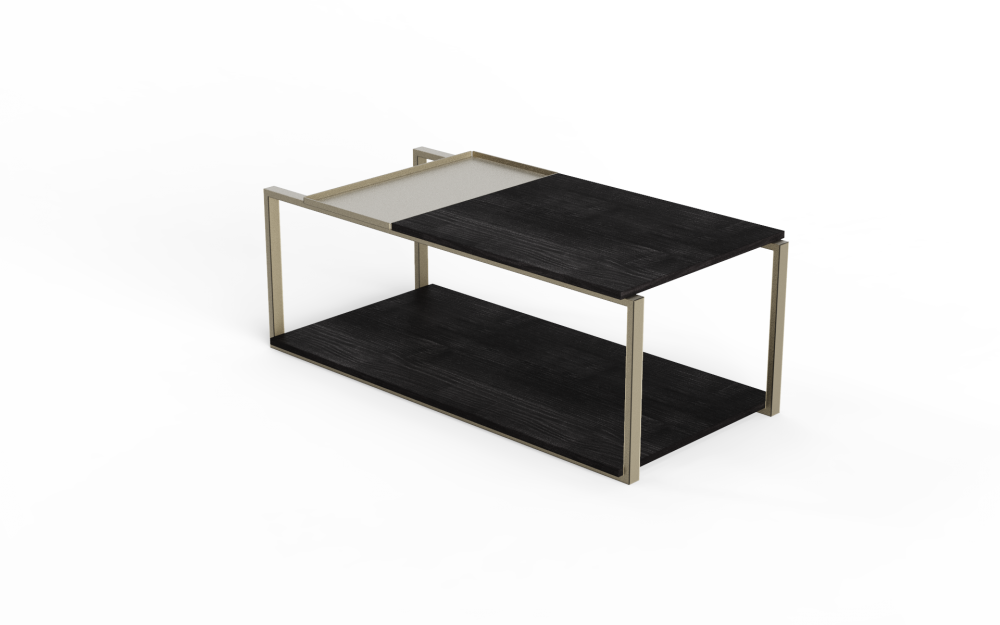
Choosing the right coffee table is about more than filling empty space in a living room. It influences how the room functions, how people move around the seating area, and how the furniture works together visually. A well-chosen table serves practical needs while contributing to the style and flow of the space. Whether the table is meant for daily use, decorative display, or serving guests, the selection process involves balancing proportions, materials, shape, stability, and storage options. High-quality designs—such as the range found in the Levia coffee table collection—provide a variety of options crafted with thoughtful structure and modern aesthetics to support different interior layouts. Understanding these considerations helps homeowners choose a table that complements both lifestyle and design goals.
1. Understanding Size, Scale, and Room Proportions
The first step in selecting a coffee table is determining the right size in relation to the seating area. A table that is too small gets lost in the room, while one that is too large disrupts movement and balance. Ideally, the table should align comfortably with the height of the sofa seat cushions, creating a consistent visual line and making it easy to reach items on top. Length is equally important; most coffee tables should span roughly two-thirds the length of the sofa.
The proportions also influence how the room feels. A compact room benefits from a lighter or slimmer table, while larger rooms can support broader, more substantial designs. Homeowners should also consider walkways and circulation patterns, leaving enough space between the table and surrounding seating. Coffee tables from the Levia coffee table collection are designed with carefully balanced dimensions that fit naturally into a wide range of room sizes without overwhelming or underperforming in daily use.
2. Evaluating Shape for Comfort and Movement
The shape of a coffee table affects both aesthetics and movement. Round and oval tables are ideal for rooms with tight pathways or homes with children, as their curved edges reduce the risk of accidental bumps. Rectangular tables fit well in classic living room arrangements where sofas and armchairs create linear seating. Square tables work best in open spaces or paired with sectional sofas that offer broad seating on multiple sides.
Choosing the right shape depends on how the room is used. For casual gatherings or flexible seating, softer shapes may feel more inviting. For structured spaces with symmetrical layouts, square or rectangular designs provide visual consistency. When selecting a table—whether round, square, or rectangular—buyers can explore the variety offered in the Levia coffee table collection, which includes shapes suited to both modern and traditional room layouts.
3. Considering Material, Durability, and Daily Use
Material selection is one of the most defining choices in picking a coffee table. Each material has a different impact on style, maintenance, and long-term durability. Wood provides warmth and texture, creating a natural focal point in the living room. Glass offers a lighter visual profile, making it suitable for smaller spaces where transparency helps reduce visual weight. Metal and stone surfaces offer a modern aesthetic and strong resistance to wear.
The choice depends on lifestyle needs. Families with children may prefer solid wood or composite materials that resist scratches and daily bumps. Those who entertain frequently may look for tabletops that withstand drinks, heat, or decorative objects. Coffee tables designed by Levia—found in the Levia coffee table collection—feature options crafted with strong materials, expertly finished surfaces, and durable structures that suit daily living without compromising style.
4. Functionality: Storage, Surface Space, and Everyday Convenience
A coffee table’s functionality often determines how well it supports daily activities. Some tables provide a simple open surface, ideal for clean, minimal interiors. Others include shelving, drawers, or dual-layer tops to store remotes, books, or small decorative pieces. Homes with limited storage can benefit greatly from these additional features, especially in compact living rooms.
Another consideration is how the table will be used. Those who frequently host gatherings might choose a design with a generous surface for serving drinks or snacks. Households that prioritize organization may value hidden compartments or lift-top designs that convert into workspaces. The Levia coffee table collection includes designs that blend practical features with refined craftsmanship, offering both open and storage-integrated models to accommodate different lifestyles.
5. Matching the Table with Room Style and Existing Furniture
A coffee table should harmonize with the overall design of the living space. Whether the room follows a modern, minimalist, Scandinavian, industrial, or traditional aesthetic, the table should reflect materials, colors, and shapes that complement the environment. Matching does not require identical finishes; contrasting materials can create interest when balanced correctly.
Key matching considerations include:
| Design Factor | How It Influences Selection |
|---|---|
| Color palette | Ensures visual cohesion with sofa and décor |
| Texture | Adds depth through wood grain, metal, or glass |
| Leg style | Affects room openness and light flow |
| Tabletop pattern | Complements or contrasts existing accents |
| Overall design theme | Maintains a unified visual direction |
Coffee tables from the Levia coffee table collection incorporate neutral colors, refined lines, and versatile materials, making it easier to coordinate the table with a wide range of interior themes. A well-matched table enhances the room’s aesthetic impact without overpowering surrounding furniture.
6. Quality, Stability, and Long-Term Value
A coffee table must be stable and constructed to withstand everyday use. Sturdy legs, reinforced frames, and secure joints ensure the table remains reliable over the years. Weight distribution also matters; a well-built table should stay balanced even when placed on carpet or uneven flooring. High-quality craftsmanship helps prevent wobbling, cracking, or warping.
Durability is especially important for households with active children, frequent gatherings, or heavy decorative items. Smooth edges, strong finishes, and resistant surfaces extend the table’s life and preserve its appearance. The designs available in the Levia coffee table collection emphasize long-term structural integrity, offering solid materials and careful construction that hold up to repeated daily use.
Summary
Picking a coffee table involves balancing size, shape, materials, functionality, style, and structural quality. The right table enhances comfort, supports everyday needs, and harmonizes with the room’s design. Whether focusing on storage, durability, or aesthetic appeal, homeowners benefit from choosing a well-crafted, thoughtfully designed piece. Options from the Levia coffee table collection provide versatile, high-quality solutions that blend form and function, helping create a living space that is both practical and visually cohesive.